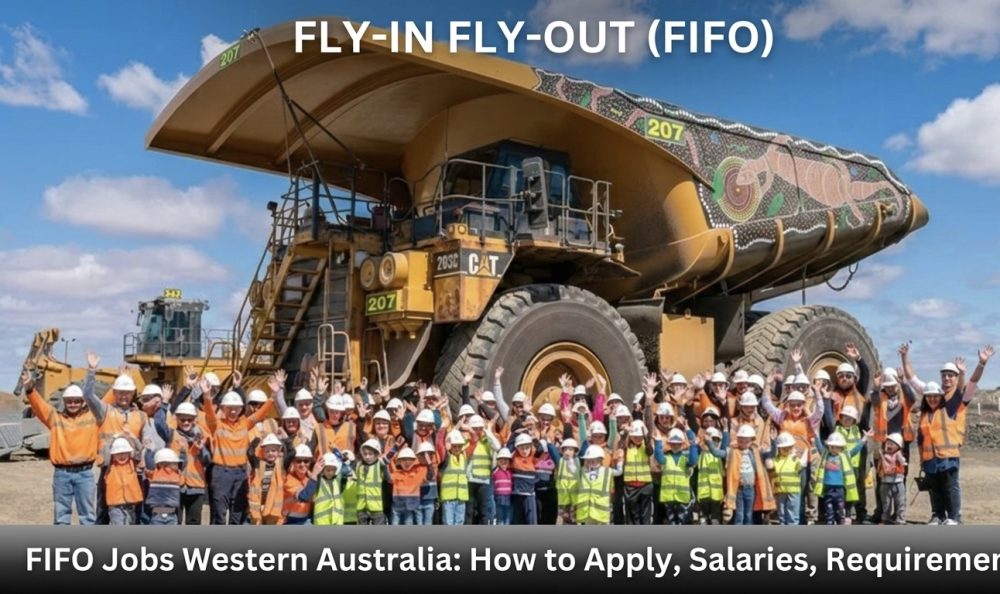
FIFO jobs in Western Australia are roles where workers are flown into remote job sites for rostered work and then flown back home for their off periods. FIFO stands for Fly‑In Fly‑Out. This model is common in Australia’s mining, resources, oil & gas, construction and related sectors, especially in remote regions like the Pilbara, Kimberley, and Goldfields.
Many people choose FIFO work for flexibility, higher pay, and the chance to work in dynamic environments. This article covers what FIFO is, how it works in WA, the types of jobs available, salary ranges, requirements, how to find work, and the pros and cons of this lifestyle.
What Are FIFO Jobs?
A FIFO job means you don’t live permanently near your workplace. Instead:
• You fly in to a remote site at the start of your roster
• You work a set number of days (e.g., 8, 12, 14 days)
• You then fly out to return home for days off
FIFO rosters are often 12‑hour shifts on site followed by scheduled time off. Most employers provide accommodation, meals, and travel logistics as part of the package.
Why FIFO Is Big in Western Australia
Western Australia is rich in natural resources. Mines, processing plants, offshore facilities, and construction projects often operate in remote locations far from towns and cities. Because it isn’t practical for workers to live permanently close to these sites, employers use FIFO to bring workers in for rosters and then send them home.
Industries that rely heavily on FIFO are:
• Mining (iron ore, gold, lithium, nickel)
• Oil & gas
• Construction and infrastructure
• Engineering and maintenance
• Support services (catering, logistics, health)
Typical FIFO Roster Patterns
Here are common FIFO roster formats in WA:
• 8/6 – 8 days on site, 6 days off
• 12/8 – 12 days on, 8 days off
• 2/1 – 2 weeks on, 1 week off
• 4/4 – 4 days on, 4 days off
Longer rosters usually mean larger blocks of time at home, but more consecutive work days on site.
Common FIFO Job Types
FIFO jobs cover a wide range of roles, from entry‑level support work to skilled professional roles:
Production & Mining
• Drill operators
• Excavator and loader operators
• Crusher operators
• Mine technicians
• Survey assistants
Trades & Technical
• Diesel fitters
• Electricians
• Mechanics
• Boilermakers
• Welders
Healthcare & Safety
• FIFO nurses
• Paramedics
• Safety officers
• Occupational hygienists
Support & Services
• Cooks and catering staff
• Cleaners and housekeepers
• Camp supervisors
• Administration assistants
• Logistics coordinators
Engineering & Projects
• Civil engineers
• Project managers
• Field engineers
• Geotechnical technicians
Salary Ranges for FIFO Jobs in Western Australia

Pay in FIFO jobs varies widely based on the role, industry, experience level, roster pattern, and location. Many employers pay shift loadings, overtime, penalty rates, and allowances for travel or remote location.
Here are typical salary ranges in AUD per hour or per year:
Entry‑Level Roles
• Camp support worker / cleaner: $30 – $45 per hour
• Catering staff (cook/kitchen hand): $35 – $50 per hour
• Assistant in nursing care: $38 – $56 per hour
Operators & Technicians
• Excavator/loader operator: $45 – $65 per hour
• Drill assistant or plant operator: $48 – $70 per hour
• Mine technician: $50 – $75 per hour
Skilled Trades
• Diesel fitter / mechanic: $55 – $85 per hour
• Electrician: $60 – $90 per hour
• Boilermaker / welder: $55 – $85 per hour
Healthcare Professionals
• FIFO registered nurse: $60 – $95 per hour
• FIFO paramedic / medic: $65 – $100 per hour
Supervisors & Specialists
• Site supervisor / team leader: $75,000 – $130,000 per year
• Project engineer: $90,000 – $160,000 per year
• Safety or HSE officer: $85,000 – $140,000 per year
• Civil engineer / field engineer: $95,000 – $160,000 per year
Senior and Highly Skilled
• Senior project manager: $140,000 – $240,000+ per year
• Specialist technical consultants: $120,000 – $200,000+ per year
These figures are estimates and can vary. Experienced workers, night shift differentials, overtime pay, and remote allowances can push earnings significantly higher.
Requirements for FIFO Jobs in WA
To work FIFO in Australia, you must meet several legal, professional, and practical requirements.
Professional Registration & Qualifications
• AHPRA registration — for nurses and healthcare roles
• Trade licenses or certificates — for electricians, fitters, mechanics
• Relevant diplomas/certificates/degrees for technical and professional roles
Experience
Many employers want workers with at least 6 months to several years in the field, especially in skilled trades, operations, or healthcare. For high‑skill roles, several years of experience may be required.
Health & Screening
Remote and FIFO work generally requires:
• Pre‑employment medical clearance
• Drug and alcohol testing
• Fit‑for‑work assessments
Safety Training
Most sites require safety inductions and tickets such as:
• Standard 11 or site induction certificate
• First Aid / CPR certificates
• Industry‑specific safety tickets (e.g., confined space, high risk work licences)
These help ensure you are ready for the physical demands and safety standards of remote work.
Right to Work
You must have legal permission to work in Australia:
• Australian citizen or permanent resident
• Valid work visa that allows employment
Internationally trained candidates may need skills recognition and credential assessments.
Accommodation and Living Conditions
FIFO workers are typically housed in work camps near the job site. Accommodations vary, but most include:
• Single or shared room
• Meals supplied (often breakfast, lunch, dinner)
• Common areas, recreation rooms, gyms
• Internet access
• Laundry facilities
Camps are designed for efficiency and practicality, not luxury. Comfort levels vary by employer and location.
Advantages of FIFO Work
FIFO work offers benefits that many workers value:
Flexibility and Variety
You can choose shifts and assignments that fit your lifestyle.
Competitive Pay
Hourly rates and allowances often exceed comparable permanent roles.
Skills and Experience
Working across different environments accelerates learning and career growth.
Travel Opportunities
Many roles include travel to unique regions and communities.
Time Off
Structured rosters often mean long breaks at home between shifts.
Challenges of FIFO Work
FIFO life also comes with challenges:
Time Away from Home
Long rosters can be tough on family life and relationships.
Shift Fatigue
12‑hour shifts and travel can be physically and mentally demanding.
Remote Lifestyle
Camp living may be basic and require adjustment — especially in isolation.
Irregular Work
Some rosters depend on project demands, so hours may fluctuate.
Mental Health Impacts
Isolation, long shifts, and time away can affect well‑being without good support.
Where FIFO Jobs Are in Western Australia
Most FIFO opportunities are in remote regions where major resource operations are located. Common areas include:
Pilbara Region – mining, iron ore, construction
Kimberley Region – remote operations, logistics
Goldfields Region – gold, lithium, nickel mining
Mid West / Murchison – mining and infrastructure
North West Shelf / Onshore Gas Sites – oil and gas projects
These regions have dedicated airports and logistics hubs, making FIFO operations feasible.
How to Find FIFO Jobs in Western Australia
Here are practical ways to find FIFO opportunities:
1. Register with Recruitment Agencies
Many agencies specialise in FIFO placements. They help match your skills to job openings and assist with onboarding.
2. Company Career Pages
Mining, construction, and energy companies advertise FIFO roles directly on their career portals.
3. Job Boards and Search Sites
National and specialised job boards list FIFO positions with filters for location, industry, and type.
4. Networking and Referrals
Industry events, professional contacts, and word‑of‑mouth referrals can lead to opportunities that may not be widely advertised.
When applying, tailor your resume to highlight your qualifications, licences, safety tickets, and relevant experience.
Tips for Success in FIFO Roles
• Stay healthy. Good sleep, diet and exercise help manage long shifts.
• Plan your time off. Use roster breaks for rest, family time, or personal pursuits.
• Budget well. High pay means great saving potential — plan for taxes and retirement.
• Maintain certifications. Keep licences and tickets up to date.
• Stay connected. Regular contact with family and support networks helps with work–life balance.
Final Words
FIFO jobs in Western Australia offer a unique and rewarding way of working in industries that drive Australia’s economy. They combine flexibility, competitive pay, travel opportunities, and varied professional experience. However, the lifestyle also demands resilience, adaptability, and careful planning.
Whether you’re a nurse seeking remote healthcare work, a tradesperson eager to work on big projects, or a technician ready to take on new challenges, FIFO work can be a strong career path especially if you understand how it works, what employers require, and how to manage the practical realities of living on a roster.